The Trump administration is fighting back after the European Union (EU) just levied a $140 million fine against Elon Musk’s X in an anti-free speech power grab.
The EU Commission announced the hefty fine against the social media platform Thursday, but officials across the Trump administration, including Vice President JD Vance, Secretary of State Marco Rubio and Federal Communications Chairman Brendan Carr, immediately made clear where they stood.
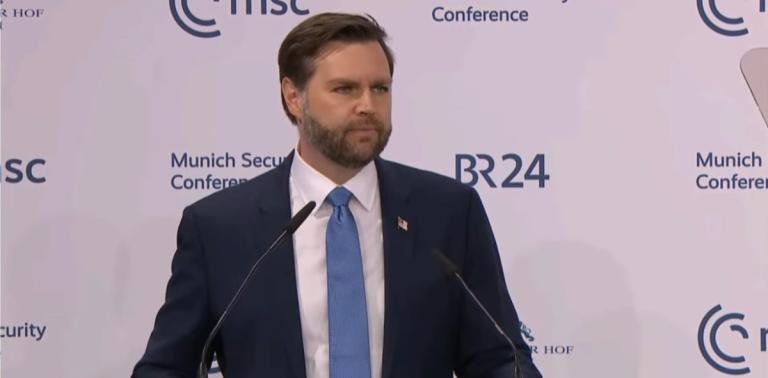
Vance warned the EU against such a move on Dec. 4, writing on X, “The EU should be supporting free speech not attacking American companies over garbage.”
Rubio echoed Vance’s remarks, saying that the “fine isn’t just an attack on @X, it’s an attack on all American tech platforms and the American people by foreign governments.” Rubio also declared that the “days of censoring Americans online are over.”
Carr and Under Secretary of State Sarah Rogers joined Vance and Rubio in denouncing the unjust fine imposed on an American company by an anti-free speech foreign power. “Europe is taxing Americans to subsidize a continent held back by Europe’s own suffocating regulations,” Carr wrote, while Rogers directly called out the Digital Services Act, the draconian law triggering the fines.
The EU claims the fines stem from X’s “blue check” system, advertising transparency and easy access for researchers to platform data. What the EU Commission does not mention is its history of pressuring Musk to censor content.
Last year, Musk said that the EU made its motives clear to him. “The European Commission offered 𝕏 an illegal secret deal: if we quietly censored speech without telling anyone, they would not fine us. The other platforms accepted that deal. 𝕏 did not.” That same summer, then-EU Commissioner Thierry Breton threatened Musk and then-Republican presidential candidate Donald Trump, telling them not to discuss certain topics during an upcoming X interview.
The EU also failed to mention the role that collecting advertiser data and allowing easy researcher access play in DSA-enabled censorship. Since July, the DSA requires Big Tech platforms to strip advertising from content that the EU considers “disinformation” or even from entire outlets. This rule was previously part of a “voluntary” code of conduct that also pressed platforms to allow researchers easy access to collect information about so-called disinformation on the platform. Given that the DSA bans advertising next to “disinformation”, there is a huge risk that what gets measured will get managed.
Conservatives are under attack! Contact your representatives and demand that Big Tech be held to account to mirror the First Amendment while providing transparency, clarity on hate speech and equal footing for conservatives. If you have been censored, contact us using CensorTrack’s contact form, and help us hold Big Tech accountable.