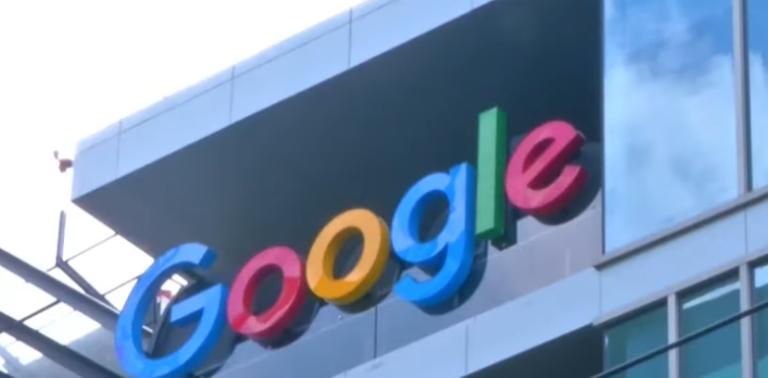
Tech giant Google, increasingly under scrutiny for antitrust and anti-free speech violations, just once again lost in court.
New York federal Judge P. Kevin Castel on Tuesday found Google liable for illegally monopolizing the advertising placement technology business. The plaintiffs in the case argued that Google was attempting to relitigate issues that a Virginia Federal judge had already ruled against them on. Castel agreed, and his new ruling ensures the Big Tech company is locked into the previous ruling.
In his ruling, Castel wrote: “There is no unfairness to Google in giving preclusive effect to certain findings and conclusions in [the] DOJ civil enforcement action.” He further accused Google of “[c]herry picking language” to misrepresent Virginia federal Judge Leonie Brinkema’s previous ruling. The Trump administration has battled Google and other Big Tech companies in an ongoing effort to restore free speech and break up illegal monopolies.
In the litigation brought by Trump’s Department of Justice, Brinkema found that Google was an illegal monopoly in both the “publisher ad server” and “ad exchange” markets. Both monopolies were operated through the Google platform “Ad Manager,” which facilitates both online advertising sales and the placement of those same ad purchases.
In the more recent ruling, Castel held that the previous liability finding by the Virginia federal court extended to Google’s treatment of a coalition of publishers and advertisers suing Google for antitrust violations in the advertising technology industry.
While these cases specifically focus on antitrust violations, they represent a large effort at the federal level to hold anti-free speech Big Tech companies accountable. The Trump administration has so far reversed 75 percent of the 57 Biden censorship initiatives highlighted by MRC.
Google has faced numerous antitrust cases. In 2023, for instance, USA Today’s publisher sued the tech giant, accusing Google of a monopoly over digital ads. Specifically, Google was ensuring that rivals would make much less revenue from digital advertising. Back in 2020, a coalition of 38 states and territories and a separate coalition of 10 states were all suing Google, accusing the company of manipulating advertising, weaponizing exclusionary tactics and undermining competition.
Free speech is under attack! Contact your representatives and demand that Big Tech be held to account to mirror the First Amendment while providing transparency, clarity on hate speech and equal footing for conservatives. If you have been censored, contact us using CensorTrack’s contact form, and help us hold Big Tech accountable.