Google-owned YouTube may allow banned YouTubers back on the platform, but some creators might not make the cut for the censorship-happy platform.
As MRC has emphasized, Google’s recent reluctant letter to the House Judiciary Committee blamed the Biden administration for its censorship choices and made paltry promises of reform. It was anything but a free speech revolution, and now YouTube has made that even clearer.
In an Oct. 9 blog announcement, YouTube vaguely stated that “eligible creators will begin to see an option to request a new channel when they log into YouTube Studio on desktop with their previously terminated channel.” As intended, it sounds like a real change, but according to the blog, not everyone who applies will be approved, and the platform will not restore any previous data or followers. Nor will YouTube’s current Community Guidelines change to be more pro-free speech.
MRC Free Speech America Director Michael Morris slammed Google for its feigned reform. “Google should have never been in the censorship business to begin with, and it gets zero credit for restoring these accounts,” he said. “It is as set on censorship now as it was when it banned the accounts years ago.”
In the announcement, YouTube declared, “Starting today, some previously terminated creators will have the opportunity to request a new YouTube channel.” It pontificates in the blog post, “We know many terminated creators deserve a second chance – YouTube has evolved and changed over the past 20 years, and we’ve had our share of second chances to get things right with our community too.”
But YouTube quickly clarified that only certain “creators who are eligible to apply over the coming months” will benefit because “Not every type of channel termination will be eligible.” Furthermore, any user whose channel was terminated within the last year cannot apply and neither can anyone banned for alleged copyright or Creator Responsibility infringements.
The platform also plans to consider if someone supposedly “committed particularly severe or persistent violations of our Community Guidelines or Terms of Service, or whether the creator’s on- or off-platform activity harmed or may continue to harm the YouTube community, like channels that endanger kids’ safety.” [Emphasis added].
This “off-platform” harm policy was the reason YouTube used in 2020 when it banned President Donald Trump from the platform. Although YouTube eventually restored Trump’s account in 2023 when he ran for president again, the platform never admitted to wrongdoing or condemned its previous actions.
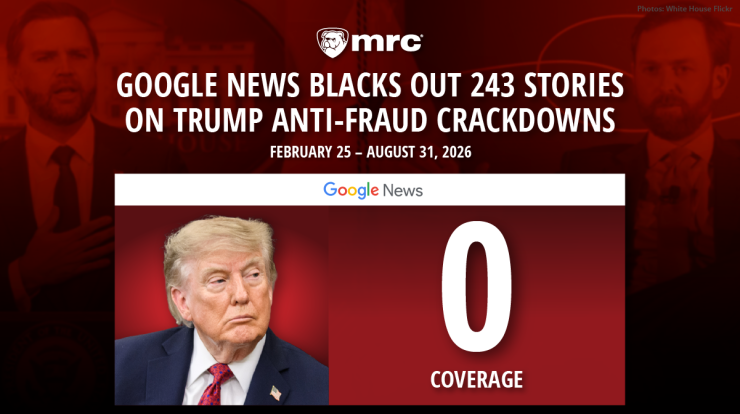
Google was similarly all talk and no pro-free speech action right before the 2024 Presidential election when Google CEO Sundar Pichai sent a memo to his employees: “[L]et’s remember the role we play at work, through the products we build and as a business: to be a trusted source of information to people of every background and belief. We will and must maintain that,” he wrote. Yet, after Trump won the election, MRC researchers found that Google repeatedly buried right-leaning news articles about Trump’s cabinet nominees and propped up antagonistic left-leaning sources.
Free speech is under attack! Contact your representatives and demand that Big Tech be held to account to mirror the First Amendment while providing transparency, clarity on hate speech and equal footing for conservatives. If you have been censored, contact us using CensorTrack’s contact form, and help us hold Big Tech accountable.