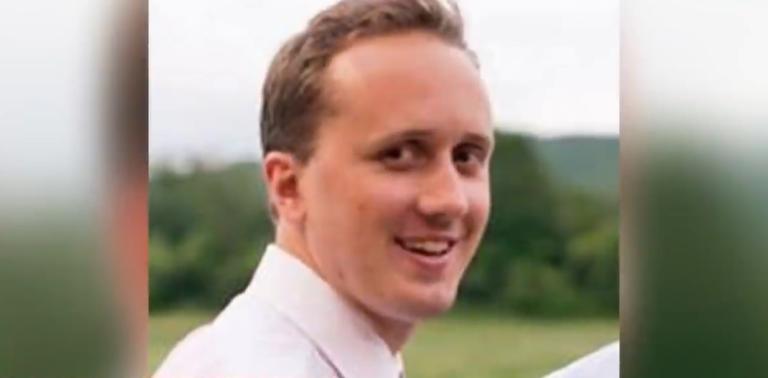
Social media personality Douglass Mackey has succeeded in overturning his conviction for posting a controversial meme ahead of a major election.
Mackey announced on X Wednesday that the Second Circuit Court of Appeals overturned his 2023 conviction. He thanked God and his wife and allies in a jubilant thread, which then took a more sober tone as he threatened to sue the Department of Justice over its original charges against him for posting what he argued was a satirical meme before the 2016 election.
MRC highlighted Mackey’s case in a March story to support its comprehensive study exposing no fewer than 57 censorship initiatives orchestrated by the Biden administration.
Related: The Biden Administration Waged War on Free Speech with 57 Censorship Initiatives
“BREAKING: THE SECOND CIRCUIT COURT OF APPEALS HAS THROWN OUT MY CONVICTION FOR LACK OF EVIDENCE,” Mackey excitedly posted. “THE CASE HAS BEEN REMANDED TO THE DISTRICT COURT WITH ORDERS TO IMMEDIATELY DISMISS[.] HALLELUJAH!”
He added that it was a unanimous decision from the appellate judges, who were appointed by both Democrat and Republican presidents.
The decision itself stated:
“Defendant-Appellant Douglass Mackey … was convicted of conspiring to injure citizens in the exercise of their right to vote in violation of 18 U.S.C. § 241 based on three memes he posted or reposted on Twitter shortly before the 2016 presidential election… [which] suggested that supporters of then-candidate Hillary Clinton could vote by text message. On appeal, Mackey argues, inter alia, that the evidence was insufficient to prove that he knowingly agreed to join the charged conspiracy. We agree.”
In 2021, as MRC explained in the study supplement, the Biden-led DOJ indicted Mackey for sharing memes that quipped Americans could vote via text for Hillary Clinton in the 2016 contest.
DOJ alleged that Mackey engaged in a “conspiracy” to deny Clinton supporters the right to vote. ZeroHedge reported at the time that, to secure a conviction, prosecutors introduced unrelated memes that Mackey had sent many years earlier. This was an apparent effort to influence and convince a New York jury that Mackey was “racist” and “misogynistic.”
Flashback: Meet Victims of the Biden Admin’s Chilling Anti-Free Speech Crusade
Mackey, who faced up to 10 years in prison, was subsequently convicted in 2023, despite prosecutors failing to identify a single person who had been dissuaded from voting in the election because of Mackey’s memes. The prosecution vaguely contended that he could be convicted for spreading supposed election “disinformation.”
Biden-era prosecutors even pushed for Mackey to remain in jail because of the meme he shared. In contrast, they overlooked popular talk show host Jimmy Kimmel using the same punchline as the one in Mackey’s meme (though Kimmel used it against Trump supporters) to his audience of millions of people.
While Mackey’s case was an extreme example of punishment for sharing online memes, Big Tech aggressively enforced censorship of election content online throughout numerous recent election cycles. MRC’s unique CensorTrack database documents more than 750 such examples.
In September 2024, Amazon Alexa refused to provide reasons to vote for then-Republican presidential candidate Donald Trump, but did provide reasons to vote for Democrat candidate Kamala Harris. In July 2024, Google suppressed Trump’s website in search results just days before the presidential debate. Meanwhile, X restricted the Trump War Room account during the debate.
Conservatives are under attack! Contact your representatives and demand that Big Tech be held to account to mirror the First Amendment while providing transparency, clarity on hate speech and equal footing for conservatives. If you have been censored, contact us using CensorTrack’s contact form, and help us hold Big Tech accountable.