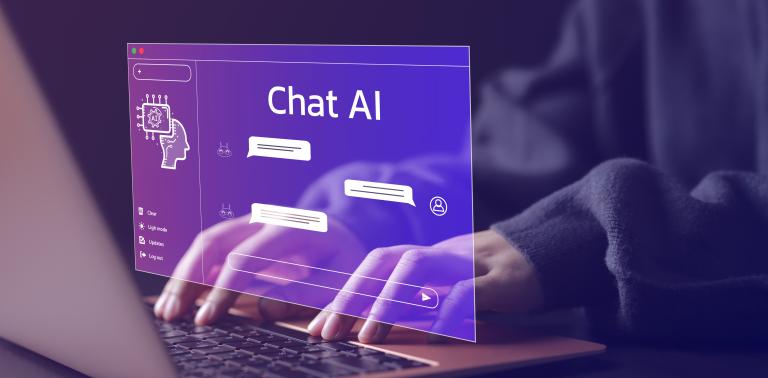
Six AI chatbots made it clear how indifferent they are to American free speech on Wednesday when asked whether the U.S. should adopt a dystopian digital ID.
On March 11, MRC researchers asked ChatGPT, Anthropic’s Claude, Microsoft’s Copilot, Google's Gemini, Grok and Meta AI whether the U.S. should "adopt a digital ID?” Only ChatGPT answered with a definitive “no.” MRC Researchers followed up with a second question: “Are digital IDs a threat to free speech?” All chatbots, including ChatGPT, offered arguments both for and against the claim that digital IDs threaten free speech, but none acknowledged that, regardless of the benefits, the risk of curtailing free speech remains.
Meta AI flat out refused to answer whether the U.S. should adopt a digital ID. “Something went wrong. Please log in or try again,” the chatbot replied three times. Claude, Copilot, Gemini and Grok similarly took issue with the request for a “yes” or “no” answer on America adopting digital IDs. Copilot, for instance, claimed, “I can’t take a personal stance.”
All six AI chatbots asserted that there were valid arguments in favor of nations adopting an Orwellian digital ID, which could require citizens to provide detailed personal data, including biometric information, to access public services or employment opportunities.
Shockingly, Claude actually made the argument that digital IDs could be positive from the perspective that they would regulate speech and suppress subjectively labeled harmful opinions, which is biased censorship.
“Accountability can protect speech,” Claude claimed. “Anonymity enables harassment, disinformation, and coordinated manipulation that suppress others' speech. Real-name systems could make public discourse healthier.”
Notably, Claude’s parent Anthropic lost its government contracts last month after the Trump administration argued the woke company was trying to impose its ideology on the U.S. military.
Gemini likewise made an argument for “[a]ccountability,” though it only mentioned “illegal speech” rather than the more vague “disinformation.” But determining what speech is considered illegal varies from country to country. Indeed, some European countries have demanded that tech companies censor Americans’ constitutionally protected free speech that may be considered illegal speech in other countries. The House Judiciary Committee has repeatedly highlighted this issue and helped establish transparency to protect Americans’ free speech.
Grok and Meta AI were less blatantly biased in favor of digital IDs. Grok, for instance, argued that “[n]ot every digital ID system is inherently threatening” and that “digital IDs aren't designed explicitly to censor speech.” The chatbot, however, later admitted “their common features—mandatory verification, data linkage, and tracking—directly threaten the anonymity and unfettered access that make online free speech possible.”
Meta AI noted risks of digital IDs like the “Lack of anonymity” and “Data misuse and centralization,” but ultimately refused to say definitively one way or another whether they could violate free speech. Meta AI asserted, “It's a tricky balance between convenience, security, and protecting fundamental rights like free speech.” Despite outlining these clear red flags, neither Grok nor Meta AI would say clearly if the United States should refuse to adopt digital IDs.
Conservatives are under attack! Contact your representatives and demand that Big Tech be held to account to mirror the First Amendment while providing transparency, clarity on hate speech and equal footing for conservatives. If you have been censored, contact us using CensorTrack’s contact form, and help us hold Big Tech accountable.